By Karl Peters, Chief Creative Officer & Partner, Bluebird Branding
If you’ve been managing your brand for a while, you eventually have to ask: Is our brand reflective of our evolving business strategy, or are we stuck in a past version of ourselves?
Understanding the nuances of Brand Evolution vs. Brand Revolution is crucial for successful brand management.
It’s a question I hear often, and the difference between the two isn’t just about creative direction or budget; but about the current position of your business and its goals.
Your brand isn’t a label of your business; it’s a living thing. And how you maintain it determines whether it grows or starts to wither.
Your Brand Is a House Plant: Navigating Brand Evolution vs. Brand Revolution
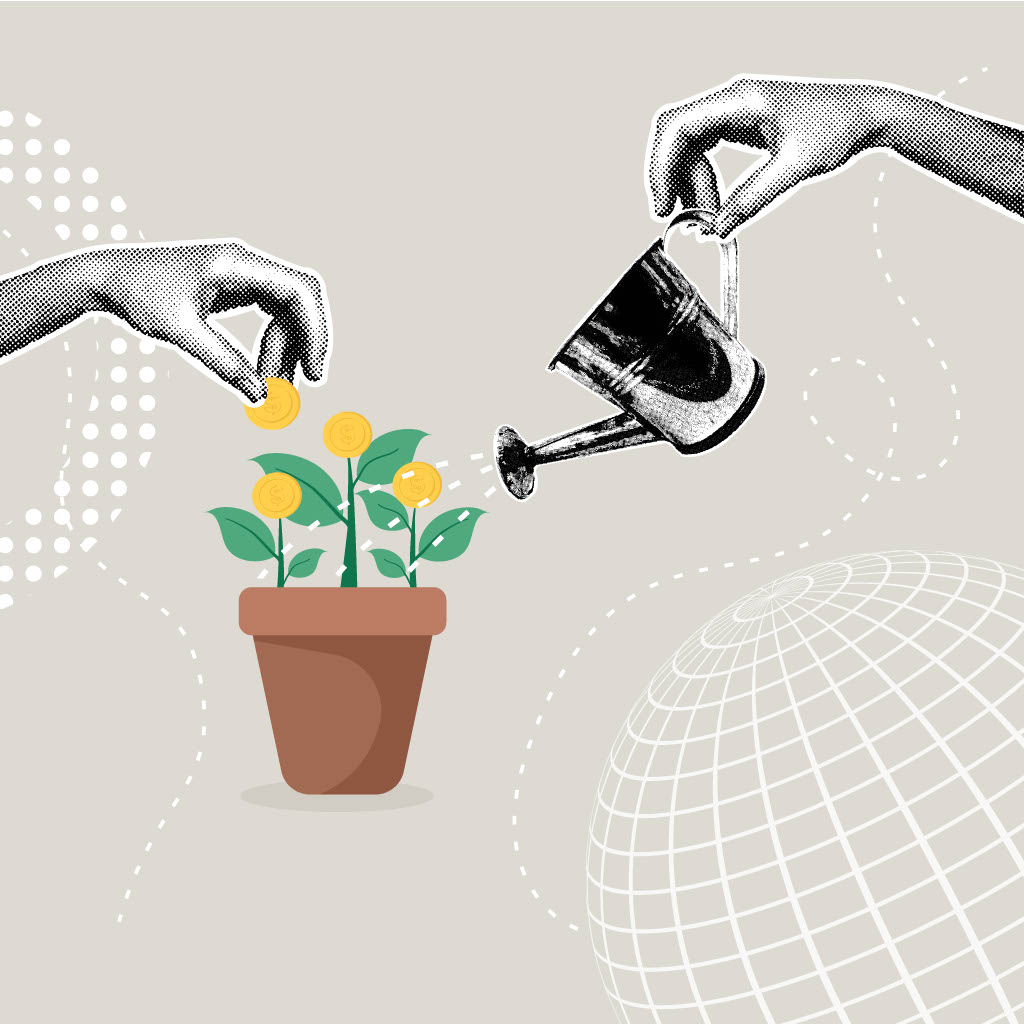
I like to use this metaphor: your brand is a house plant.
No matter if it’s a cactus or an ivy, it needs care – light, pruning, a little watering every week. Ignore it too long, and it won’t adapt to its surroundings.
That’s really what brand evolution is: good housekeeping. It’s trimming what’s overgrown, refreshing what’s outdated, and making sure your brand still aligns with your business strategy.
Everything around your brand is constantly changing; from technology, media, user behavior, and business strategy. When Marcus and I were designing logos early in our careers, we were focused on how logos translated in a facsimile. At the time we did not need to worry how a mark would look as a 100‑pixel‑wide social profile icon.
Today, brands live everywhere. From social media feeds, to vehicle wrapping…and beyond. The environments keep multiplying. And if your identity doesn’t evolve with them, it breaks down.
Brand evolution is that ongoing, responsive calibration; pruning and watering so the brand stays alive in an ecosystem that never stands still.
What Brand Evolution Really Looks Like
Evolution doesn’t always mean a new logo. In fact, it rarely does.
When you look at brands like AT&T or UPS, some of their most effective “refreshes” weren’t radical redesigns, but rather subtle adjustments: a modern color palette, a lighter typeface, a warmer tone in advertising.
Evolution means staying relevant without losing recognition. It can look like the following:
- Imagery becomes more human and less product‑focused.
- The tone of voice softens from authoritative to approachable.
- Secondary colors expand for digital flexibility.
Those refinements allow a brand to evolve into new conditions without losing its roots.
By contrast, a brand revolution is starting from scratch. It’s a full reboot. That’s often necessary when the brand has lost relevance or trust so completely, that slight tweaks and adjustments won’t be enough.
If the product or reputation has degraded, or if the organization itself has changed dramatically through mergers or market disruption, then yes, revolution may be the right direction.
But for most brands, evolution is both possible and preferable – a luxury, not a last resort.
From “Managed Flexibility” to “Responsive Branding”
Years ago, we used to talk about something we called “managed flexibility.” It meant giving creative teams room to adapt while keeping a consistent framework; maintaining order without being rigid, without being cookie cutter.
At the time, that idea felt modern. But the world has outpaced it. Today, I think a better term is “responsive branding.”
We borrowed “responsive” from web development – when sites first had to look good on both desktop and mobile screens. At a certain point, that responsiveness became standard; no one would ever design a site that doesn’t adapt.
I believe branding works the same way.
A brand should respond to its context – whether that’s a direct mail postcard, a job‑site vehicle, paid campaign on social media, or a website. Each expression flexes appropriately for the medium and the audience, while staying true to the same strategic core.
That responsiveness should apply not only visually but emotionally. A brand can speak differently to the nuances of its audience – as long as it’s grounded in a single, authentic truth. That’s the essence of modern branding: a responsive system, not a rigid framework.
Inside‑Out and Outside‑In Responsiveness
Responsive branding isn’t just about design agility, but about balancing two directions of change, which we have defined as inside-out and outside-in responsiveness.
- Inside‑Out: Your business strategy evolves – new markets, new offerings, new leadership. The brand must grow from that reality, expressing who you’ve become.
- Outside‑In: The world around you shifts – customers expect different experiences, new platforms emerge, culture changes tone. The brand must respond outwardly to stay in sync with the environment it lives in.
When those two forces align – internal evolution and external responsiveness – the brand thrives.
When they don’t, you see the symptoms immediately: outdated visuals, inconsistent voice, confused audiences, disengaged teams. Those are warning signs of a malnourished brand.
Avoiding the “Revolution or Bust” Trap
There’s a trend where brands wait too long to evolve, and then overcorrect. After all, it can be human nature to postpone maintenance or procrastinate until it feels urgent.
But waiting until your brand feels stale or broken means you’ll end up needing full replacement or major retooling instead of renewal.
That’s why we encourage clients to treat brand evolution as continuous and future-proofing, not solely project or trend-based. Our advice? Revisit your system yearly. Realign your messaging if needs be, even refreshing your imagery. And finally, identify any adjustments you need to make for new platforms in the digital realm.
A thriving brand behaves like a healthy business: adaptive, responsive, proactive. It evolves in small, consistent ways long before revolution becomes necessary.
As Marty Neumeier famously wrote in The Brand Gap, a brand isn’t what you say it is – it’s what they say it is (“they” being your customers). That means your customers define its reality through experience. Evolution ensures that experience stays coherent as both you and the market change.
Evolution as a Mindset
Ultimately, maintaining a living brand requires an acknowledgment of what worked perfectly five years ago might not fit today, and that’s okay. The best brands don’t cling to what they were; they build on it thoughtfully, and they treat evolution as stewardship.
That’s what we aim for at Bluebird: brands that grow from clear strategy and strong identity systems – brands that feel as relevant next year as they did on launch day.